What is 3D-Scanning?
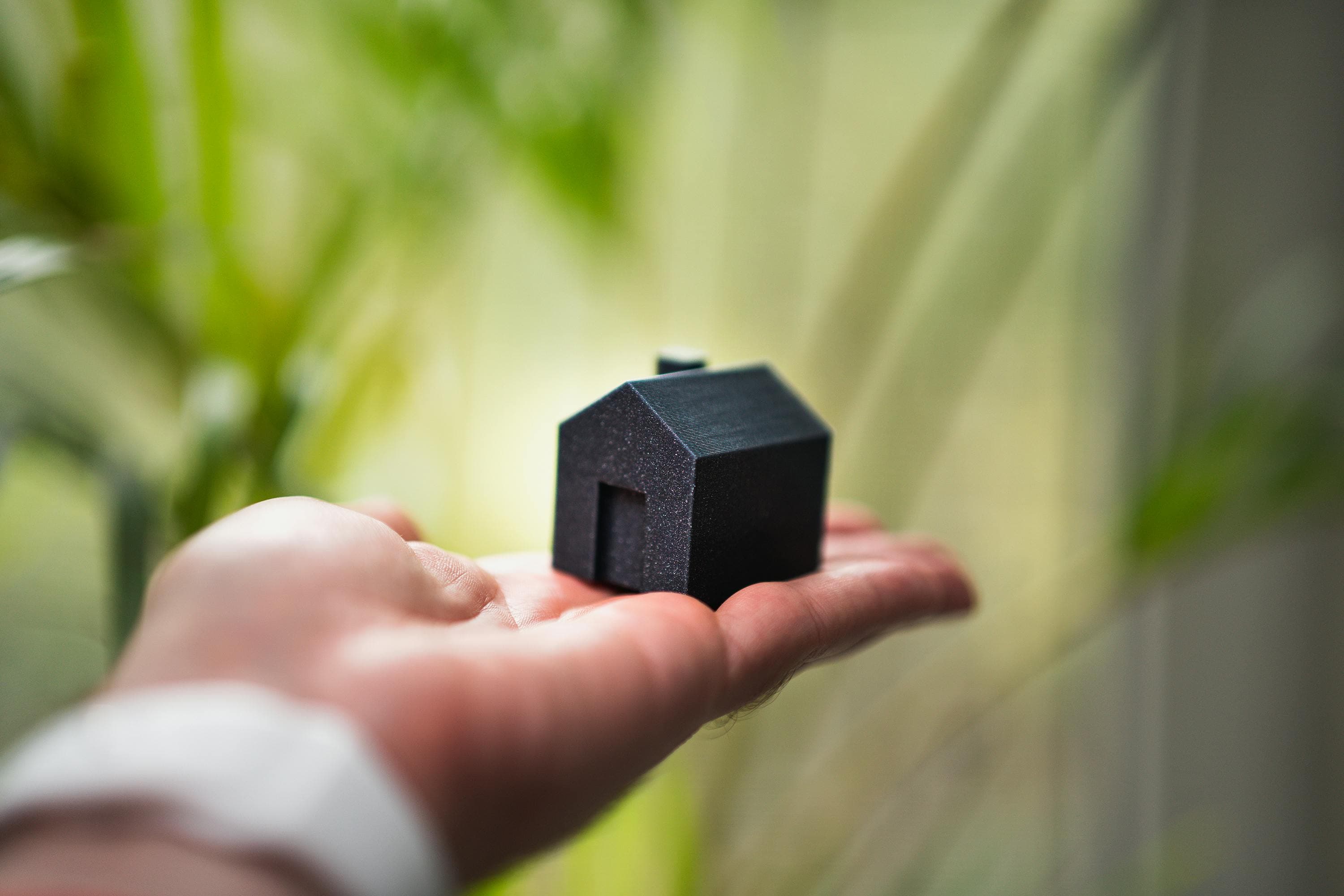
3D-scanning bridges the physical and digital world by converting real objects into precise 3D models. Instead of manually modeling an object from scratch, a 3D scanner captures its geometry, textures, and dimensions, reconstructing an accurate digital replica. This technology is widely used in engineering, manufacturing, medicine, art, and heritage preservation — anywhere precision and speed matter.
A properly captured scan saves hours of manual modeling and provides unmatched detail, especially for complex organic shapes.
How 3D-Scanning Works
Although scanners vary in technology, the principle is similar: the device measures the distance to points on an object and reconstructs its surface as millions of data points.
The general workflow:
- Preparation — cleaning the object, adjusting lighting, applying markers if needed.
- Scanning — capturing the object from multiple angles.
- Alignment — merging individual scans into a complete shape.
- Mesh reconstruction — generating a 3D mesh from point clouds.
- Cleanup — filling holes, smoothing surfaces, removing noise.
- Export — saving the mesh for modeling, measurement, or 3D-printing.
The result is a highly accurate digital model of a real object, ready for engineering, visualization, or manufacturing.
Main Types of 3D-Scanning
Structured-Light Scanning
Projects a pattern (blue, white, or infrared light) onto the object and measures its deformation.
Strengths:
- High accuracy
- Fast scanning
- Ideal for medium-sized objects
Best for: product design, automotive parts, consumer electronics.
Laser Scanning
Uses a laser beam that sweeps over the surface, collecting extremely dense point clouds.
Strengths:
- Excellent precision
- Large coverage
- Works outdoors
Best for: architecture, construction, industrial parts.
Photogrammetry
Uses multiple high-resolution photographs to reconstruct 3D geometry via algorithms.
Strengths:
- Extremely detailed textures
- Affordable (can use a DSLR or smartphone)
- Great for organic shapes
Best for: art, archaeology, product capture, human scans.
LiDAR
Commonly used in iPhones, drones, and professional surveying equipment. Measures distance using laser pulses.
Strengths:
- Very fast capture
- Works well in low light
- Strong for environment scanning
Best for: interiors, landscapes, large spaces.
Contact / CMM Scanning
A probe physically touches the object to record precise dimensions.
Strengths:
- Metrology-grade accuracy
- Best for hard-surface engineering
Best for: mechanical parts, inspection, quality control.
What 3D-Scanning Is Used For
Reverse Engineering
When original CAD files are lost or a part needs to be reproduced, 3D-scanning generates a digital version that engineers can rebuild or modify.
Examples: automotive components, machinery parts, legacy products.
Quality Control & Inspection
Comparing a scanned object with its CAD model highlights deviations in shape, tolerance, and alignment.
Used in: manufacturing, injection molding, aerospace, toolmaking.
3D-Printing
Scanned models can be cleaned and prepared for:
- Prototyping
- Replacement parts
- Custom-fit products
- Medical devices and orthotics
This is especially valuable when working with discontinued components.
Product Design
Designers scan ergonomic models, clay prototypes, or handmade shapes to bring them into CAD for refinement.
Medical & Dental
Scanners capture:
- Patient anatomy
- Teeth and gums
- Prosthetics
- Orthopedic supports
Digital precision improves comfort and treatment success.
Art, Jewelry & Miniatures
Scanning enables:
- Replication
- Restoration
- Scaling
- Digital archiving
- Custom jewelry fitting
Artists use scans as a base for sculpting and enhancements.
Cultural Heritage & Preservation
Museums and researchers scan artifacts, sculptures, and historical objects to document them and create interactive digital archives.
Advantages of 3D-Scanning
Extreme Accuracy
Some scanners offer sub-millimeter or even micron-level precision.
Faster Than Manual Modeling
Complex shapes can be digitized in minutes.
Ideal for Irregular or Organic Forms
Human bodies, sculptures, and mechanical wear patterns are difficult to model manually — scanning captures them effortlessly.
Recreates Lost or Damaged Parts
Useful in repair, restoration, and industrial maintenance.
High Compatibility
Scans can be used in CAD, Blender, ZBrush, Fusion 360, SolidWorks, game engines, and more.
Challenges to Be Aware Of
Scan Noise
Dust, reflections, hair, and bright surfaces can create distortions.
Large File Sizes
High-resolution scans contain millions of polygons and require cleanup.
Requires Post-Processing
Raw scans usually need smoothing, filling, re-meshing, or retopology.
Not All Models Are Ready for 3D-Print
Additional cleanup (closing holes, fixing normals) is often required.
Key Takeaways
- 3D-scanning creates accurate digital replicas of real-world objects.
- Different technologies suit different tasks: structured light, laser, LiDAR, photogrammetry, CMM.
- Scanning is essential in manufacturing, engineering, medicine, art, architecture, and preservation.
- A clean scan accelerates reverse engineering, printing, inspection, and product design.
- Post-processing is a critical part of achieving a usable 3D model.
FAQ
What is 3D-scanning in simple terms?
It’s the process of capturing an object’s shape and turning it into a digital 3D model.
How accurate is 3D-scanning?
Depending on the device, accuracy ranges from a few millimeters to microns.
Can a scanned model be 3D-printed?
Yes, but it usually requires cleanup to ensure the mesh is watertight and optimized.
Is photogrammetry better than a scanner?
It depends — photogrammetry offers great textures, while structured-light scanners excel in precision.
Can I scan objects with my phone?
Modern phones with LiDAR or dedicated apps can scan reasonably well, but not with industrial accuracy.
How long does scanning take?
From 2–3 minutes for small items to several hours for large environments.
Conclusion
3D-scanning is a powerful technology that converts physical objects into detailed digital models, enabling engineering precision, artistic creativity, and fast manufacturing. Whether you need a replacement part, a high-detail sculpture, or accurate measurements for production, 3D-scanning provides a fast and reliable bridge between the physical and digital worlds.
If you need a precise 3D scan for printing, engineering, or digital archiving — feel free to reach out.