3D Scanning Price in Estonia
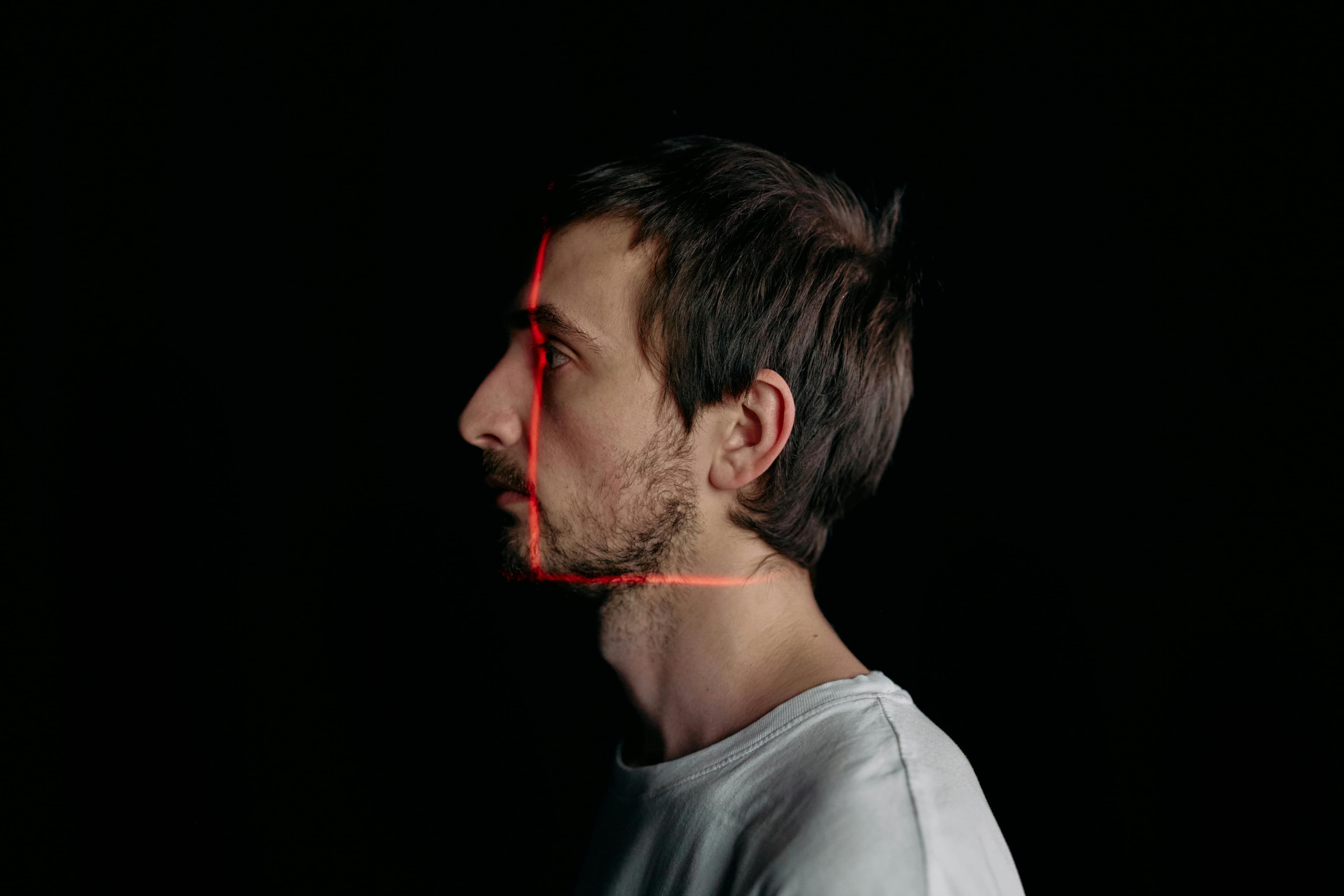
3D scanning pricing depends on four factors — object size, required accuracy, scan complexity, and output format. This article gives a realistic picture of what to expect across different project sizes and how to get the most accurate quote.
What is 3D scanning
Short version: 3D scanning captures a precise digital copy of a real object's surface. The resulting model is usable for measurement, comparison, part reproduction, 3D printing, or CAD editing.
We use a professional high-resolution scanner that reaches 0.05–0.1 mm tolerance on small objects.
What affects 3D scanning price
1. Object size
A larger object requires more scan passes, more processing time, and usually a special setup.
- Small object (up to 200 mm): €30–60
- Medium object (200–500 mm): €60–150
- Large object (500–1000 mm): €150–400
- Very large (over 1000 mm): quoted individually
2. Accuracy requirement
Not every scan is equal. Accuracy classes:
- Visual (±0.5 mm) — enough if the digital model is for presentation, 3D printing, or simple reproduction.
- Working check (±0.2 mm) — enough for comparing mechanical parts, checking dimensions.
- Metrology (±0.05 mm) — required for technical inspections, quality control, and certification work.
Higher accuracy means more scan time and careful post-processing — price goes up 30–50%.
3. Scan complexity
Simple objects (box-like, smooth surfaces, good light reflectance) are quick. Tricky ones:
- Shiny or reflective surface — needs matting spray before scanning.
- Transparent material — particularly difficult, requires pre-treatment or an alternative setup.
- Deep cavities or internal seams — not all scan angles reach them; requires more passes.
- Moving parts — must be fixed in one configuration.
- Black or absorbent surfaces — additional spraying needed.
A complex object can be 1.5–2× more expensive than a simple object of the same size.
4. Output format and post-processing
The standard output is STL — ready for 3D printing, visualization, simple measurement.
Extras:
- STEP or CAD file (parametric) — not just surface, but editable model. Requires 2–5× additional time. Add-on fee €50–200 depending on complexity.
- Reverse engineering — full technical drawing with dimensions and tolerances. Separate service, can be more expensive than scanning itself.
- Measurement report — comparison against an original CAD (if available). €50–150.
- Color texture — color-mapped surface, useful for documentary archiving. €30–80.
Typical project brackets and prices
Scanning for spare part reproduction. Small-to-medium mechanical part, working-check accuracy, STL output. Typical price: €80–200.
Craft or art object digitization. Medium-sized sculpture, visual accuracy, STL output. Typical price: €100–300.
Architectural or museum object documentation. Large object, visual accuracy, textured model. Typical price: €250–700.
Engineering reverse engineering. Medium-sized part, metrology accuracy, CAD output. Typical price: €300–800 (scan + reverse engineering combined).
Medical or dental object. Small-to-medium, high accuracy, STL output for printing. Typical price: €100–300.
Multi-part scanning (e.g. a full equipment assembly with moving parts). Typical price: €400–1500 depending on complexity.
Common use cases
Spare part reproduction. The original isn't available anymore, old equipment no longer works. We scan, correct the model, print a replacement — often faster than waiting for a new one.
Quality control. A produced part is compared against its CAD — where's the deviation, is manufacturing within spec.
Reverse engineering. No original drawing, but the part needs to be fitted, modified, or reproduced.
Museum and cultural objects. Digital archiving of archaeological finds, art objects, and architecture.
Medicine. Patient-specific implants and prostheses (as technical copies, without medical certification).
Art projects and animation. Scanning real physical objects for 3D scenes.
3D printing input. If you want to print a copy of an object — scan the original, print a new one.
How the order and quote work
- Describe the object. Send photos, dimensions, a description, and tell us what you'll use the scanned model for (printing, measurement, documentation).
- We review. We tell you whether scanning is the right approach, what accuracy class makes sense, and if there are special needs (spraying, moving parts).
- Quote. Price and lead time. Usually same-day.
- Object to us. Deliver in person or by courier / parcel locker. Fragile items are packed carefully on receipt.
- Scanning. 1–5 working days depending on complexity.
- Model delivery. File via email or shared link. Original object returned.
How scanning compares to printing in price
Simple rule: 3D scanning is usually more expensive than 3D printing an object of the same size, because human operator time is the main cost. Printing is automatic once the printer runs. Scanning requires an operator at every pass.
Typical ratio: scanning is 1.5–2.5× more than printing the same object.
Frequently asked questions
Can you scan transparent glass?
Not directly, but yes — we spray with matting aerosol, scan, then wash the spray off. It doesn't damage the object.
Can you scan on customer site?
Small and medium objects are brought in by us or by the customer. For very large, fixed, or non-transportable objects (architecture, large machinery), mobile scanning is available — quoted individually.
How accurate is your scanning?
Typical accuracy 0.1 mm, best case 0.05 mm on small items. Larger parts (over 500 mm) typically ±0.2 mm.
What do I need to do before bringing the object?
Ideally the object is clean and free of dirt. If it's reflective or transparent, expect pre-spray treatment (which we can do).
Can the scanned model be 3D-printed?
Yes — we deliver an STL file ready for printing. If needed, we can also modify the scanned object or clean up the scan (e.g. join fragments, fill holes).
How do you keep my file private?
All customer files are confidential. An NDA can be signed before scanning if needed.
Summary
3D scanning pricing in Estonia starts at €30 for small objects and reaches €800–1500 on complex reverse-engineering projects. For an accurate quote:
- Send photos and a description of the object.
- Tell us what you'll use the scan for.
- Note the accuracy requirement (if unsure, we'll recommend).
Start your project: send an inquiry. For a quick 3D printing estimate, use the price calculator.