How Much Does 3D-Printing Cost? A Complete Pricing Breakdown
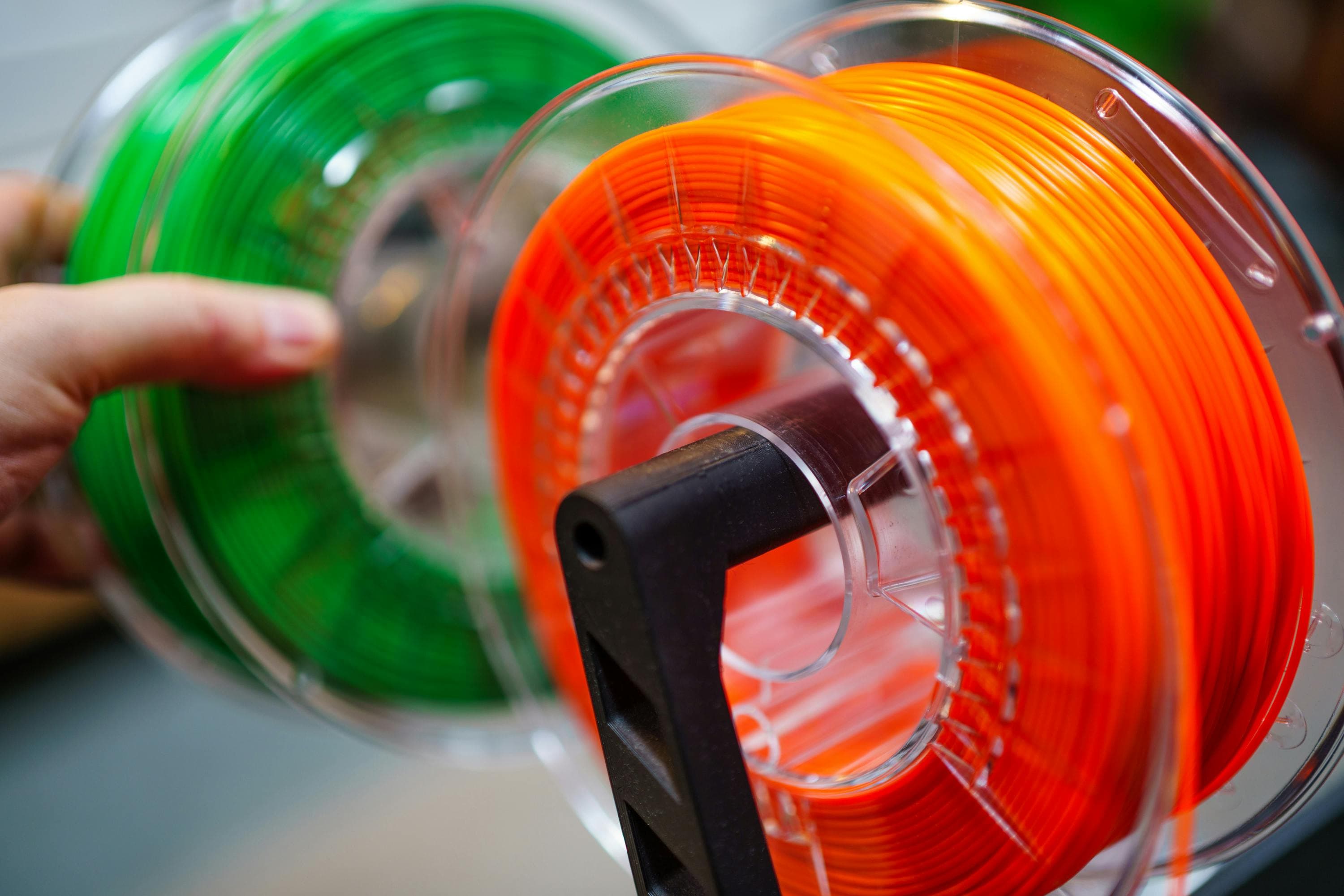
3D-printing is one of the most flexible and accessible manufacturing methods available today, but understanding its pricing can sometimes feel confusing. Why does one part cost €10 and another €60? What exactly are you paying for? And how do print shops calculate their final prices?
This guide breaks down every component of 3D-printing cost: materials, electricity, machine time, depreciation, labor, complexity, technologies and finishing. After reading it, you’ll be able to understand quotes clearly — and plan your project with confidence.
Why 3D-Printing Pricing Isn’t “One Size Fits All”
Unlike traditional manufacturing where cost mostly depends on material and factory setup, 3D-printing cost is driven by time and complexity. Two parts of the same size can have radically different prices depending on:
- geometry and required supports
- material strength and temperature resistance
- layer height and detail level
- technology used (FDM, SLA, SLS)
- finishing needs
- machine availability and print failure risk
Since printers build objects layer by layer, the longer your print takes, the more it costs.
The Core Components of 3D-Printing Cost
1. Material Cost
Materials vary widely depending on type and purpose.
| Technology | Material | Typical Cost |
|---|---|---|
| FDM | PLA, PETG, ABS, ASA | €20–40 per kg |
| FDM (Premium) | Nylon, CF-Nylon | €50–120 per kg |
| SLA | Standard resin | €70–150 per liter |
| SLA Engineering | Tough, flexible, high-temp | €120–250 per liter |
| SLS | Nylon PA11 / PA12 | €100–150 per kg |
Material cost alone doesn’t dictate the final price — but it matters, especially for large parts.
2. Print Time (Machine Hours)
Most print shops calculate time-based cost because:
- machines run for hours or days
- printers require monitoring
- each hour contributes to machine wear
Typical hourly rates:
- FDM: €2–€6 per hour
- SLA: €4–€10 per hour
- SLS: €7–€15 per hour
A complex 20-hour print will always cost more than a fast 2-hour one.
3. Electricity Consumption
Electricity cost is usually small but still included.
Example:
- printer draws 200–500 W
- long prints (10+ hours) can consume 2–5 kWh
- at €0.20–0.35/kWh, this adds ~€0.50–€1.75 per print
Not a major factor — but part of professional pricing.
4. Machine Depreciation
Printers wear out: nozzles, beds, resin vats, filters, motors and belts all have limited lifespan.
Print shops calculate depreciation per hour to cover:
- maintenance
- part replacements
- machine upgrades
- eventual replacement of the printer
This cost is often €1–€3/hour depending on machine type.
5. Labor and Human Time
Labor is one of the most significant cost drivers.
Human time includes:
- preparing the model (orientation, supports, slicing)
- printer setup
- monitoring
- removing supports
- cleaning and curing (SLA)
- sanding, priming, polishing
- quality control
- packaging
For complex or delicate models, labor dominates the price.
Most services charge €10–€30/hour for post-processing work.
Additional Factors That Influence Price
Complexity & Support Structures
A simple cube prints fast.
A detailed figurine with overhangs, tiny features and thin walls may take 2–5× longer due to:
- more supports
- slower speeds
- higher failure risk
Higher complexity = higher price.
Layer Height and Detail Level
Finer layers → better detail → much longer print time.
Typical FDM layer heights:
- 0.30 mm → fast, strong, cheaper
- 0.20 mm → balanced option
- 0.10 mm → high detail, slow, more expensive
Choosing 0.10 mm can double the print time.
Size and Volume
Large prints:
- consume more material
- require bigger machines
- may need segmenting and gluing
- increase failure risk
Which all affect the final price.
Technology Selection
Different 3D-printing technologies have different cost structures.
| Technology | Price Level | Why |
|---|---|---|
| FDM | Lowest | Affordable materials, long build times |
| SLA | Medium | High precision, labor-heavy post-processing |
| SLS | High | Industrial equipment, professional-grade materials |
Choosing the right technology balances cost and performance.
Failure Risk
Printing isn’t perfect — prints can fail due to:
- warping
- detaching from the build plate
- layer shift
- resin support collapse
- machine errors
For fragile geometry or tall prints, print shops factor risk into the pricing.
Example: Realistic Pricing Breakdown
Here’s a simplified example for a typical medium-sized FDM print.
| Component | Cost |
|---|---|
| Material (70g PETG) | €2.80 |
| Electricity | €0.50 |
| Print Time (6h × €4/h) | €24.00 |
| Machine Wear | €6.00 |
| Labor (20 min × €20/h) | €6.70 |
| Subtotal | €40.00 |
| Shop Margin (15–30%) | €6.00–€12.00 |
| Final Price | €46–€52 |
This is a realistic price range for a high-quality service using calibrated machines.
Why Professional 3D-Printing Costs More Than DIY
Customers sometimes compare a professional quote to a hobby printer at home — but the difference is massive.
Professional services include:
- industrial-grade materials
- calibrated equipment
- quality assurance
- expert post-processing
- repeatability
- no failed prints or waste on your side
- customer support
- business expenses (rent, tax, accounting, software, insurance)
You’re not paying for “just the plastic.”
You’re paying for expertise + reliability + guaranteed result.
How to Reduce 3D-Printing Costs (Without Sacrificing Quality)
✔ Reduce unnecessary details
Small features increase time and support needs.
✔ Choose the right layer height
0.20 mm is usually the sweet spot.
✔ Use fillets and chamfers
Sharp overhangs need more supports.
✔ Split the model wisely
Two smaller prints can be cheaper than one tall risky print.
✔ Ask for recommendations
Print specialists can often suggest geometric improvements that reduce cost by 20–40%.
Key Takeaways
- 3D-printing cost depends primarily on time, complexity and material.
- Labor and post-processing are major contributors to the final price.
- Different technologies (FDM, SLA, SLS) have very different cost structures.
- Professional print shops factor in machine wear, electricity, expertise and risk.
- A clear understanding of pricing helps you plan your project efficiently.
FAQ
Why is 3D-printing sometimes expensive?
Because you’re paying for machine time, material, labor, post-processing, expertise and reliability — not just for plastic.
What’s the cheapest technology?
FDM. Best for functional parts and prototypes.
What increases the price the most?
Long print times, high detail, post-processing and complex geometry.
Can I get a discount for multiple prints?
Most services offer reduced pricing for batches and repeated jobs.
Is 3D-printing cheaper than traditional manufacturing?
For small batches: yes.
For mass production: traditional methods are cheaper.
How do I get an accurate quote?
Provide:
- STL/STEP file
- required material
- desired strength
- finish requirements
- deadline
Conclusion
Understanding the cost behind 3D-printing helps you make informed decisions and avoid surprises. Each quote reflects the real work behind producing a reliable, clean and functional part. Whether you’re prototyping, replacing a broken component or ordering a finished product, a transparent pricing model ensures quality at every step.
Have a project in mind? Send us your file — we’ll provide a clear, professional quote.
Read more: